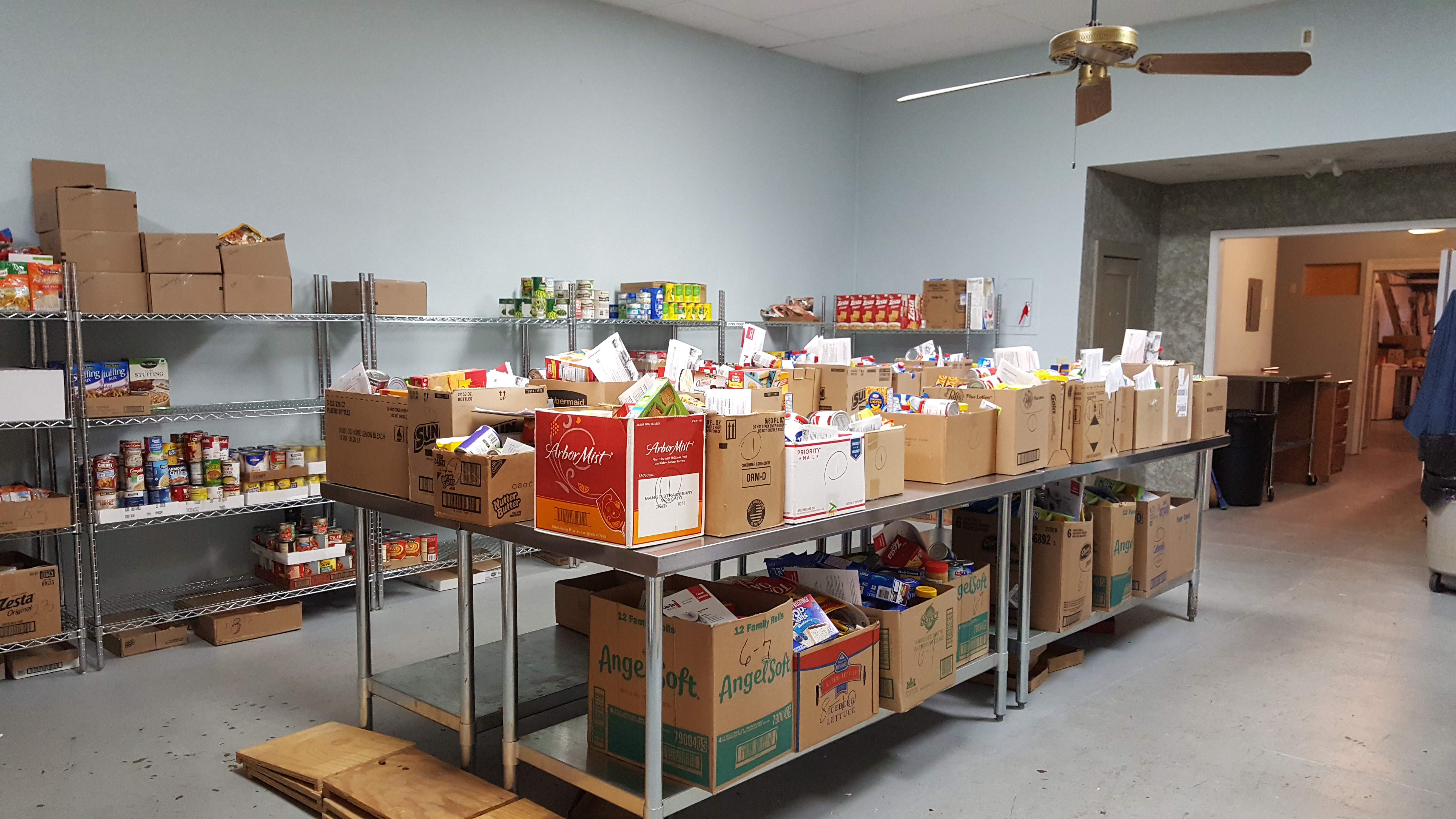
For years, restaurant owner Joan Cotter served leftovers to hungry families at the end of the day. When she made the difficult decision to close her doors, she wanted to make sure struggling families still had food to put on the table at the end of the day.
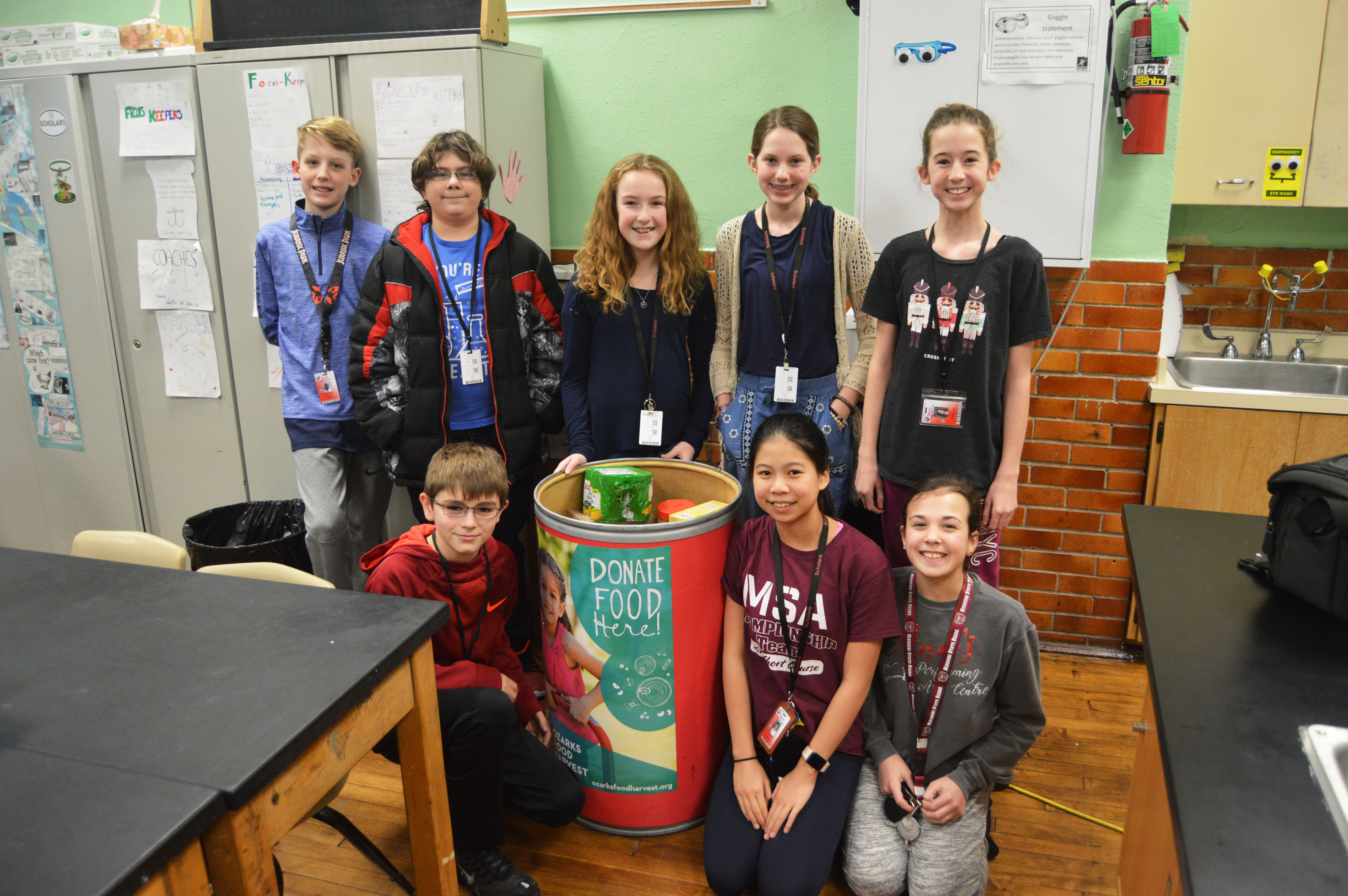
The competition was tight among 71 schools and local partnering businesses that participated in this year’s annual Springfield Public Schools Food Fight.
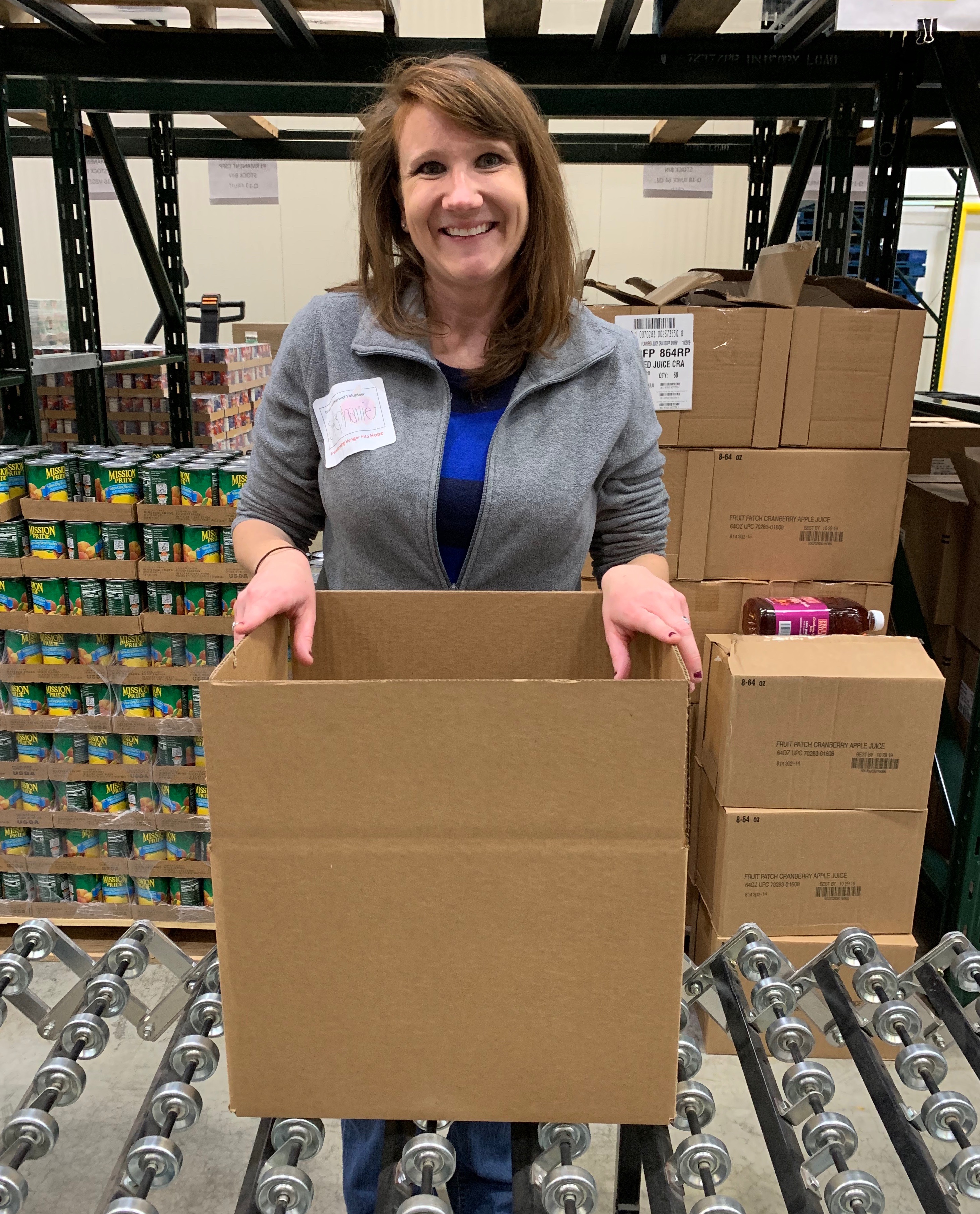
At the beginning of 2016, Stephanie Luhm made a different type of New Year’s Resolution. She decided to focus on helping others, rather than focusing on herself.
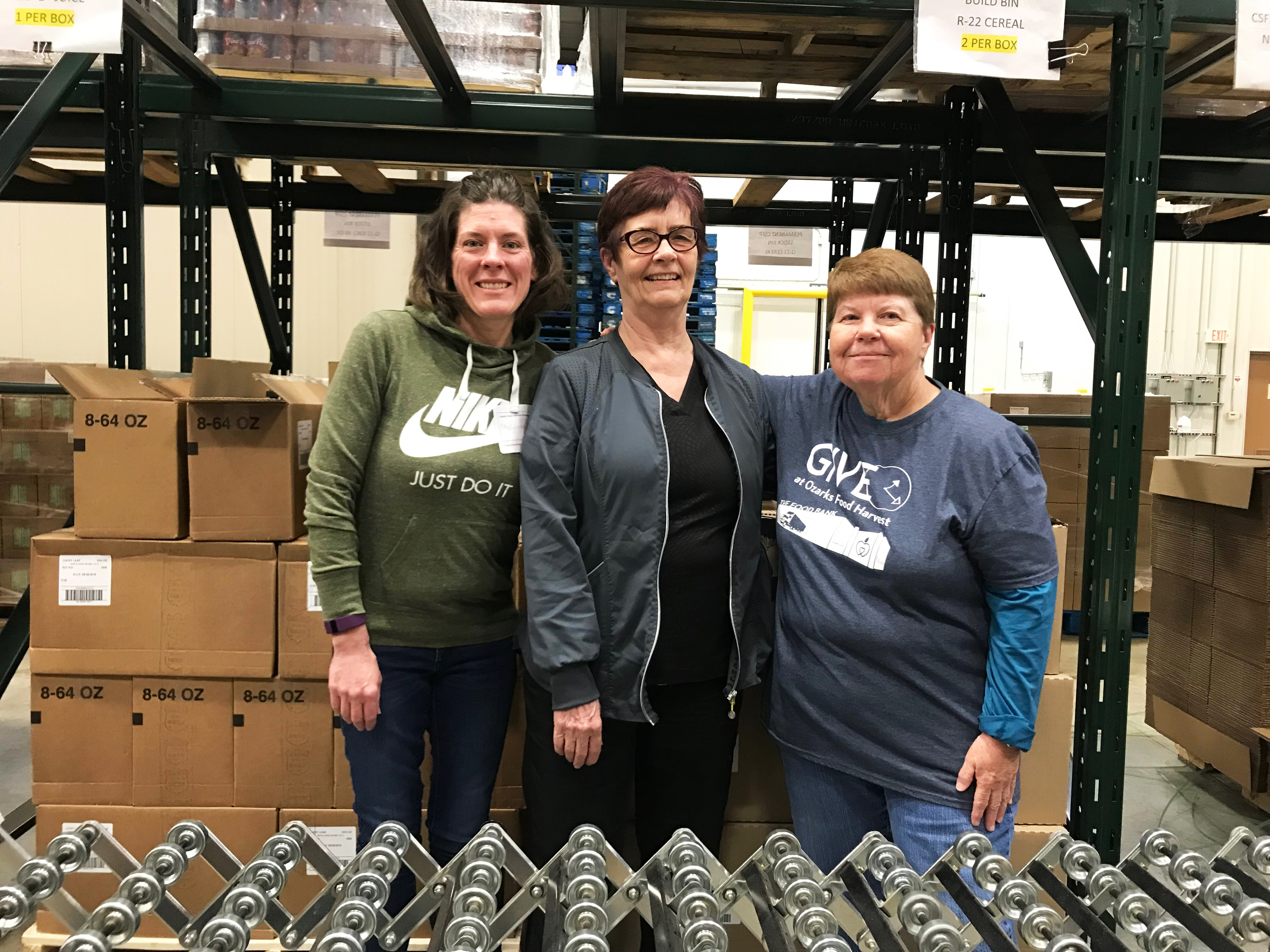
Fighting hunger in the Ozarks would be impossible without the support of our incredible donors and volunteers. Each hour of time given and each dollar donated truly makes a difference in the life of someone facing hunger.
Sometimes, it’s easy to forget just how blessed we are. So many rural towns in the Ozarks face unique challenges each and every day. The week before Christmas, I had the opportunity to visit the small town of Niangua when
Santa made a special appearance to the local elementary school.
We’re two months into a brand new year, and I can’t help but to reflect on how so many donors generously supported struggling families this holiday season.
Whether you choose to give your time, talent or treasure, each donation that you make to Ozarks Food Harvest is extremely valuable as The Food Bank continues to work toward its goal of closing the meal gap.
Melissa Butrick has a heart for serving the community. For many years, she spent hours volunteering each week, donated to local charities and even ran the food pantry at her church. But after a difficult divorce and move to Missouri, everything changed.